
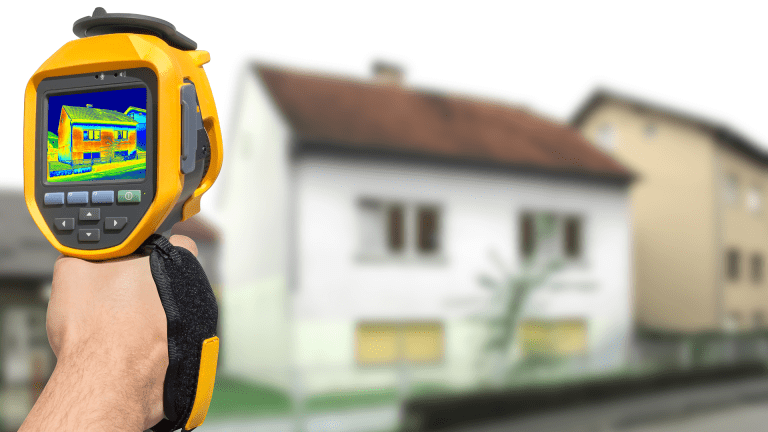
Featured on ArchDaily and Construction Week, Terraco, a global leader in Exterior Insulation Finishing Systems, has shown that when planning the renovation of buildings, it is essential to adopt a deep retrofit strategy that includes energy efficient measures like thermal insulation of external walls and roofs.
The studies show that cooling energy use in buildings can be reduced by up to 47% annually in Middle Eastern and South Asian climates as a direct result of installing Terraco’s combined EIFS and Roof Insulation Finishing Systems, compared to leaving external walls and roofs uninsulated.
Backed by advanced simulation data and analysis from Greenplan Consultants, these internationally certified, energy efficient insulation finishing systems provide architects, consultants, and developers a proven route to reduce operational energy demand, lower CO2 emissions, and deliver buildings engineered for extreme climatic conditions.
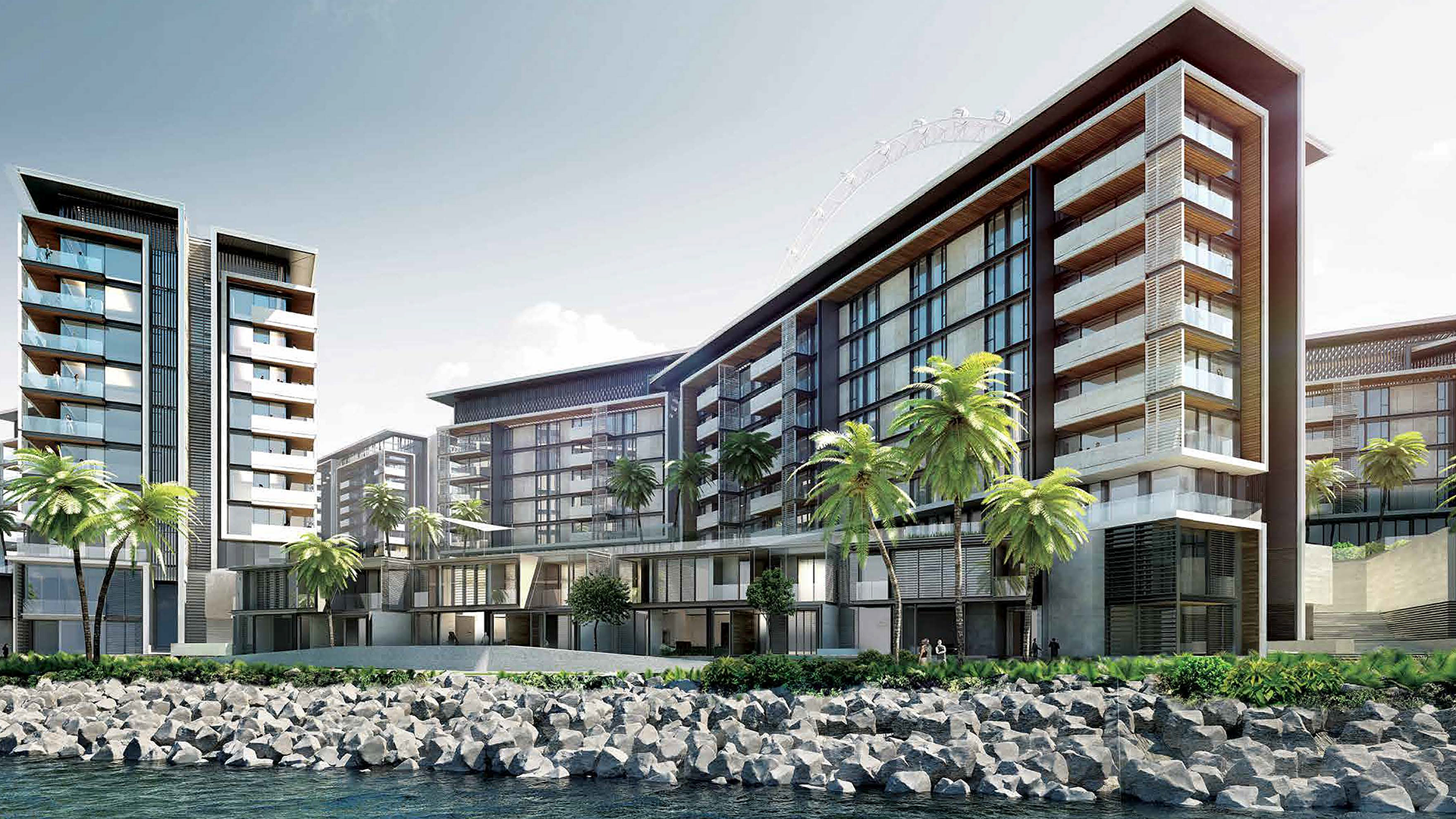
Cooling is the defining energy challenge in the region. In Gulf buildings it can account for as much as 70% of annual peak electricity consumption. With urbanisation accelerating and summers becoming hotter and longer, the implications are clear: rising operating costs for building owners and escalating carbon emissions for governments striving to meet net zero targets.
Much of the existing building stock predates robust insulation codes. Older villas, mid rise developments, and commercial buildings with large areas of uninsulated external walls and roofs are inherently energy inefficient in hot, dry, and humid climates. For these buildings, deep retrofit insulation remains the most direct and cost effective efficiency intervention.
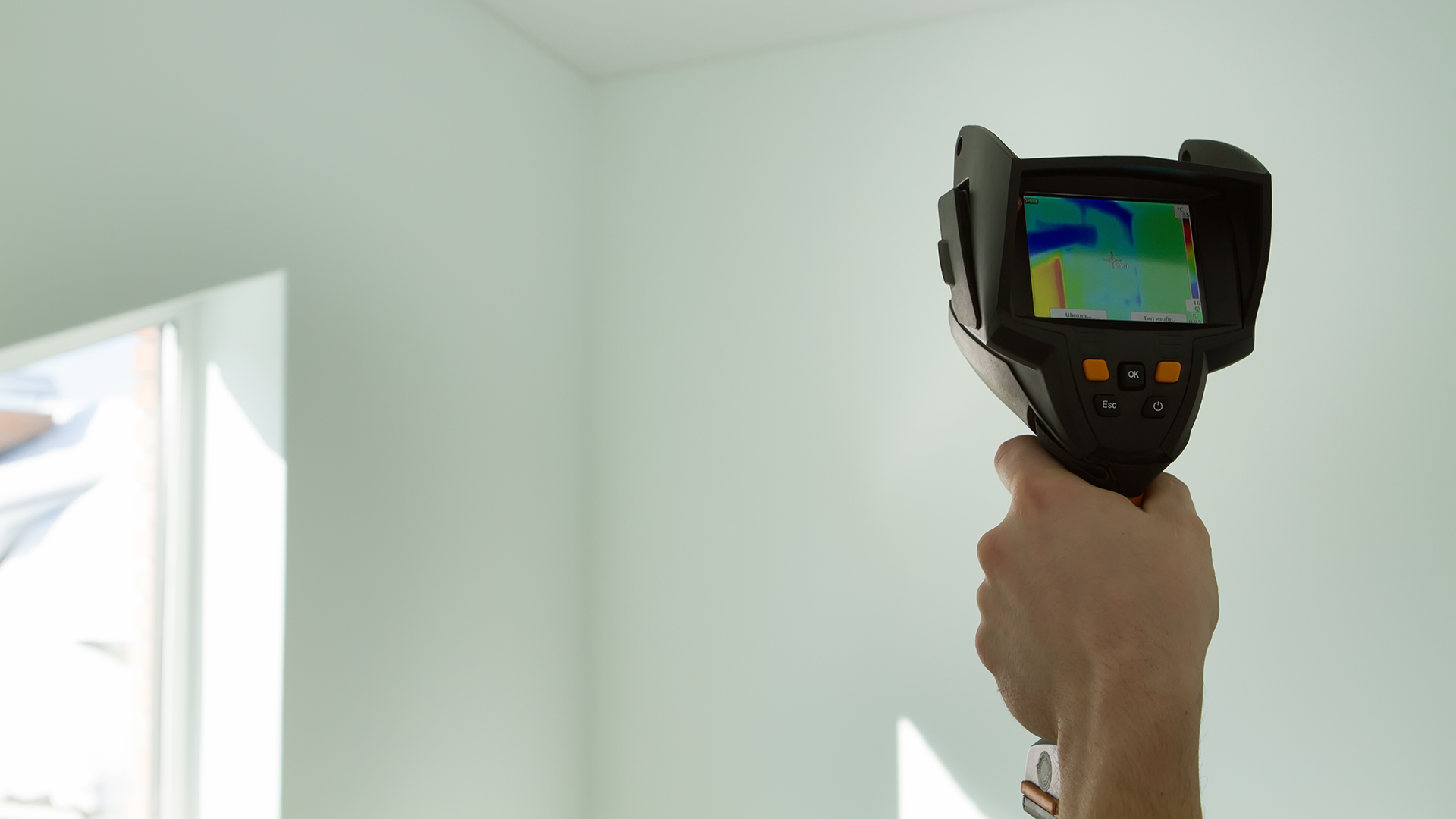
Terraco commissioned Greenplan Consultants to assess the impact of façade and roof thermal insulation systems in Middle East and Asia climates. According to Dr. Kenny Allen, Director at Greenplan Consultants: “Our findings underline how important the building envelope is as the first line of defence for energy efficiency. The addition of Terraco’s Insulation Systems to the roof and façade of the modelled buildings achieved up to 47% overall energy savings.”
Three representative cases were analysed using DesignBuilder Building Energy Modelling.
EIFS eliminates thermal bridging risk by wrapping the entire structure in continuous insulation, without breaks.
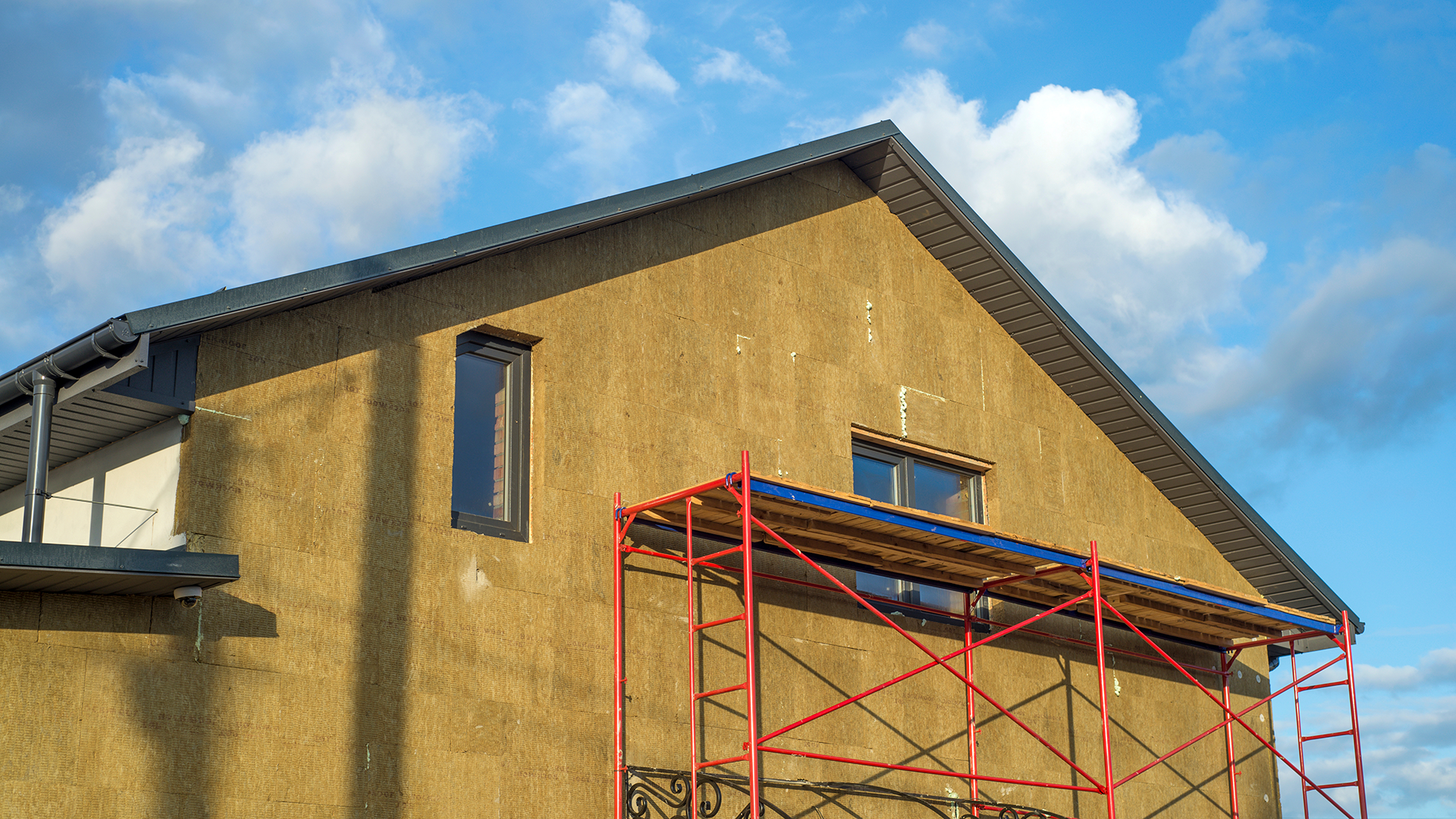
EIFS is a continuous thermal envelope. Terraco systems combine insulation boards, reinforced basecoats, and long lasting decorative finishes.
Envelope upgrades are a strategic sustainability measure that directly support Green Building standards and ESG objectives. Data from the Greenplan study indicates wall and roof insulation retrofits can achieve payback within seven years, with continued operational savings over the building’s life.
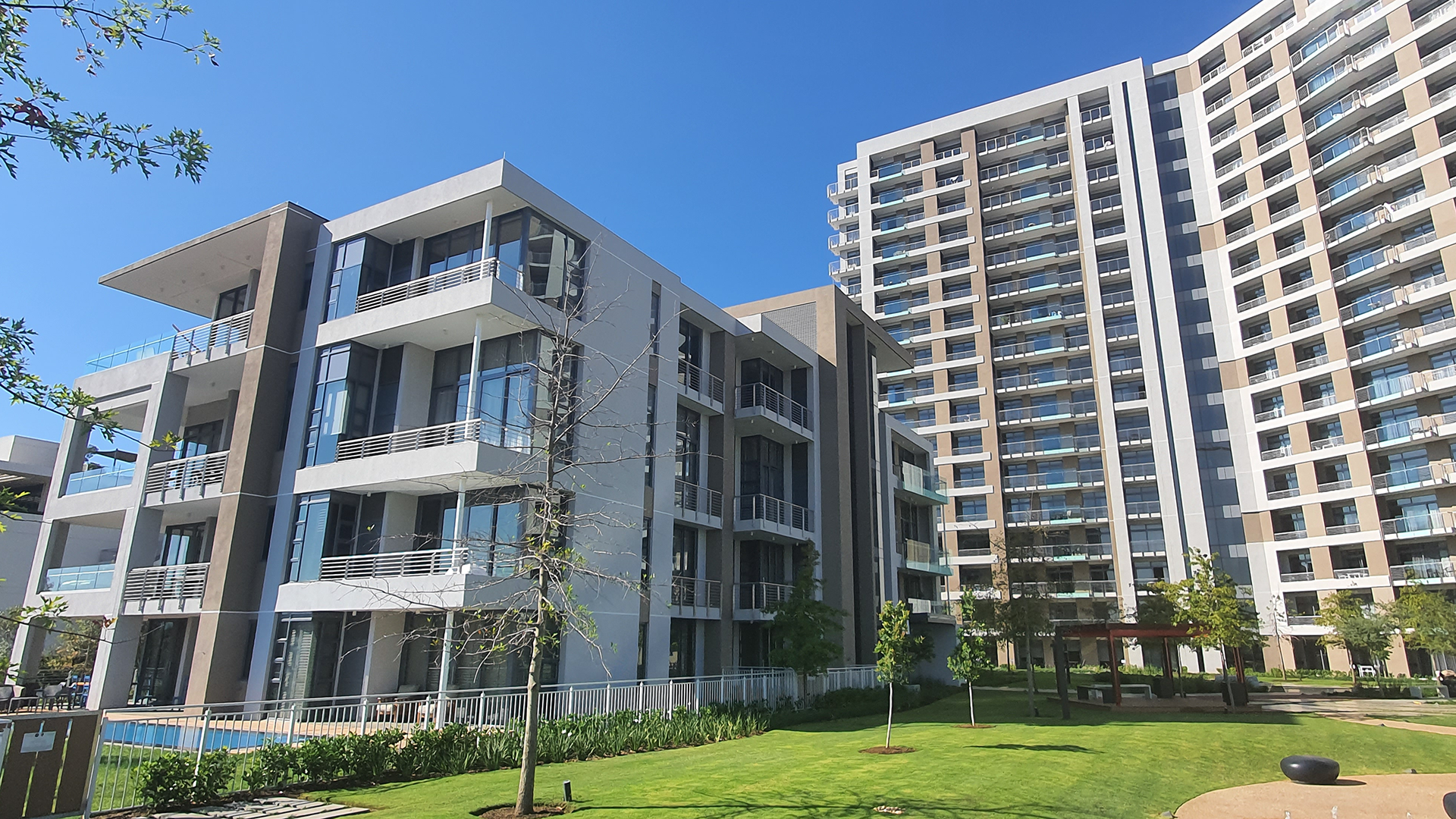
In extreme climates, the exterior of a building is not only a design feature. It is the primary line of defence against excessive energy consumption. Independent modelling confirms that deep retrofit strategies that include insulating external walls and roofs can deliver annual savings up to 47% compared with pre retrofit energy consumption. In new build scenarios, Terraco EIFS can match or outperform common insulated façade alternatives while controlling thermal bridges.
 Gulf
Gulf